
“Slugging” the Compressor: The Danger of Overfilling Your AC with Refrigerant
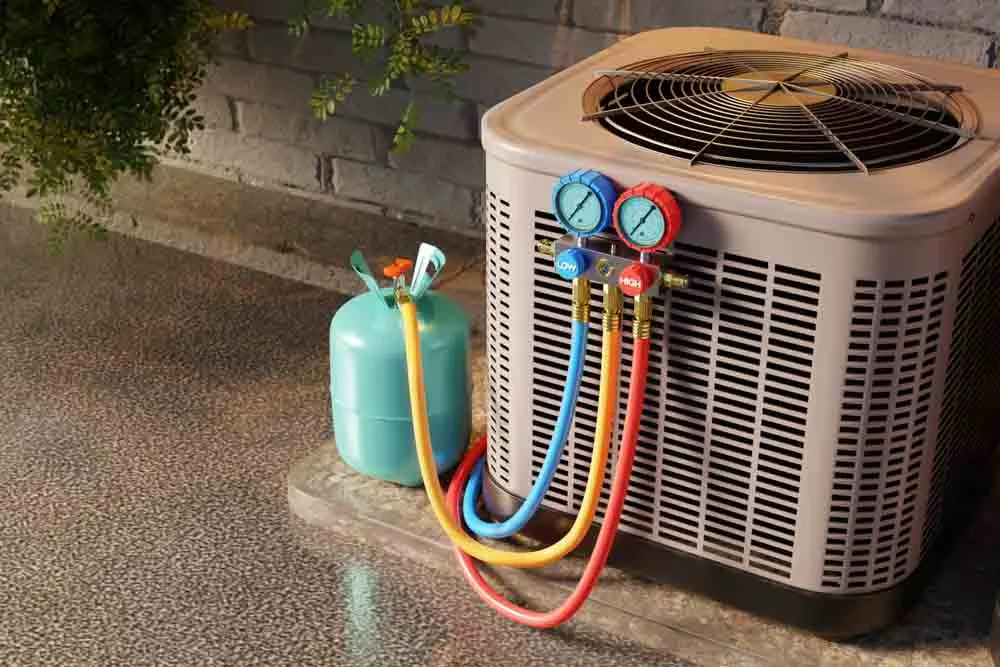
If your AC has been topped off with too much refrigerant, it can do more harm than good. Overfilling does not boost cooling. It can flood your compressor with liquid instead of vapor, a problem known as slugging. This can damage one of the most important parts of your system. The Made Simple Heating & Air team routinely helps homeowners avoid this issue during their refrigerant refill in Santa Clara, CA, especially when systems have been handled without proper measurements.
What “Slugging” Really Means
Your AC is designed to move refrigerant in a controlled cycle. The compressor is built to handle vapor, not liquid. When too much refrigerant enters the system, liquid can reach the compressor and disrupt its operation. According to the U.S. Department of Energy, proper refrigerant levels are critical for system efficiency and performance. Too much or too little can reduce cooling ability and increase strain on internal components. This is why an accurate AC coolant charge matters from the start.
Why Overfilling Happens
Overfilling often occurs when refrigerant is added without checking pressure levels or system specifications. Each unit has a precise range it needs to operate correctly.
Even a small overfill can affect performance, which is why a careful AC coolant refill requires the right tools and training.
Warning Signs Your System Is Overcharged
An overcharged system does not always fail right away, but it often shows clear signs that something is off.
These symptoms can appear soon after an AC refrigerant charge that was not done correctly.
The Impact on Your Compressor
Slugging puts physical stress on the compressor. Liquid refrigerant does not compress the same way vapor does, which can lead to internal damage over time. The Air Conditioning Contractors of America emphasizes proper charging methods to maintain system reliability and efficiency. Without correct levels, even a routine home AC coolant refill can place the entire system at risk.
Why Precision Matters Every Time
Refrigerant work is not about adding more. It is about adding the right amount. Technicians use gauges, temperature readings, and manufacturer guidelines to determine exact levels. When systems are handled with care, an air conditioner freon refill helps restore cooling performance and support system longevity. Accuracy at this stage makes a noticeable difference in how your AC runs day to day.
When to Call for a Professional Check
If your AC was recently serviced and does not feel right, it is worth having it inspected. Overcharging can happen quickly, especially without proper testing. A professional AC freon refill includes verifying pressure levels, checking for leaks, and confirming that your system is operating within its designed range.
Frequently Asked Questions
Can too much refrigerant damage my AC?
Yes, overfilling can lead to compressor issues and reduced system performance.
How do I know if my AC is overcharged?
Signs include poor cooling, unusual noises, and higher energy usage.
Is refrigerant supposed to be refilled regularly?
No, refrigerant stays in a closed system unless there is a leak.
Can I add refrigerant myself?
Handling refrigerant requires proper tools and training to avoid system damage.
Get the Right Balance for Better Cooling
Refrigerant levels play a direct role in how your AC performs. Made Simple Heating & Air creates customized cooling solutions designed for long-term efficiency, guided by our local knowledge of Bay Area homes and climate conditions. Whenever your cooling system needs professional attention, we are ready to help you get it running to beat the California heat!
Call Made Simple Heating & Air for same-day service.